1. Water (H₂O): Plants absorb water from the soil through their roots. Water provides electrons and hydrogen ions for the light-dependent reactions of photosynthesis.
2. Carbon dioxide (CO₂): Plants take in carbon dioxide from the atmosphere through tiny pores called stomata on their leaves. Carbon dioxide is the source of carbon atoms used to build sugars.
3. Sunlight: Sunlight provides the energy needed to drive the light-dependent reactions of photosynthesis. This energy is captured by chlorophyll, a pigment found in chloroplasts.
4. Chlorophyll: This pigment is responsible for absorbing light energy, primarily in the red and blue wavelengths, which is then used to power the chemical reactions of photosynthesis.
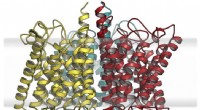
5. Enzymes: These proteins act as catalysts, speeding up the chemical reactions involved in photosynthesis.
6. ATP and NADPH: These are energy-carrying molecules produced during the light-dependent reactions. They are used to power the light-independent reactions (Calvin Cycle) where glucose is produced.
7. Glucose (C₆H₁₂O₆): This is the primary product of photosynthesis. It's a simple sugar that plants use for energy and growth.
Therefore, photosynthesis relies on the interaction of all these chemical substances to produce glucose.