Here's why:
* Hydrocarbons are compounds made up of only hydrogen and carbon atoms.
* Coal is a complex mixture of organic compounds, including carbon, hydrogen, oxygen, nitrogen, and sulfur. While carbon is the dominant element in coal, it's not the only one.
Coal is formed over millions of years from the remains of ancient plants. The plant matter gets buried under layers of sediment and undergoes intense heat and pressure. This process transforms the plant material into coal.
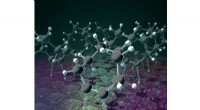
The chemical structure of coal is very complex and varies depending on the type of coal. Coal is often classified based on its carbon content:
* Peat: The least carbon-rich coal.
* Lignite: A soft, brownish coal with a higher carbon content than peat.
* Bituminous coal: A hard, black coal with a high carbon content.
* Anthracite: The most carbon-rich coal, with a shiny, black appearance.
Although coal is not a hydrocarbon, it is a fossil fuel and a significant source of energy. When burned, it releases carbon dioxide and other greenhouse gases, contributing to climate change.