1. Glassblowing:
* Traditional Glassblowing: This is a classic technique where a glassblower heats a glass tube over a flame, using tools like blowpipes and tweezers to manipulate the molten glass. The glassblower blows air into the tube, expanding and shaping it into the desired form. This technique is highly skilled and allows for intricate and custom designs.
* Lampworking: This is a smaller-scale version of glassblowing, using a torch to heat and manipulate smaller glass tubes. It is often used for intricate scientific glassware like microfluidic devices and custom tubing.
2. Mechanical Shaping:
* Drawing: This involves pulling a heated glass tube through a die to create a thinner tube with a specific diameter. This technique is used for making capillary tubes, fibers, and other thin, cylindrical shapes.
* Extrusion: A heated glass rod or tube is pushed through a die with a specific cross-section to create a desired shape. This is particularly useful for making complex shapes with consistent dimensions.
* Pressing: This technique uses a mold to press heated glass into the desired shape. It is commonly used for mass production of simpler shapes like vials, beakers, and test tubes.
3. Cutting and Joining:
* Cutting: Glass tubes can be cut to specific lengths using a glass cutter, a heated wire, or a diamond-tipped wheel.
* Joining: Glass tubes can be joined together using specialized techniques like heat-sealing, fusing, or using adhesives.
4. Specialized Techniques:
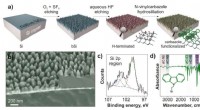
* Chemical Etching: This involves using chemicals to selectively remove glass from specific areas, creating intricate patterns or textures.
* Laser Cutting: A laser beam can be used to cut and shape glass with precision.
* 3D Printing: Advanced 3D printing technologies are being used to create complex glass shapes and structures.
The choice of technique depends on factors such as:
* Size and complexity of the part: Simple shapes might be easily blown, while complex shapes might require extrusion or pressing.
* Material of the glass: Different glass types require different temperatures and processing techniques.
* Production volume: Mass production might benefit from automated techniques like pressing or drawing.
* Cost and efficiency: The cost-effectiveness of each technique is considered.
These techniques allow scientists to create customized glass parts for various applications, including:
* Laboratory glassware: Beakers, flasks, test tubes, and pipettes
* Scientific instruments: Optical lenses, fiber optics, and microfluidic devices
* Medical equipment: Syringes, vials, and other medical devices
* Electronics: Light bulbs, optical fibers, and other components
These are just some of the ways scientists can form glass parts from tubes. With continued advancements in technology and materials, we can expect even more sophisticated and innovative techniques for shaping glass in the future.