1. The Basics of Salt Water
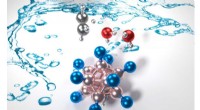
* Salt (NaCl): Salt dissolves in water, breaking down into its component ions: positively charged sodium ions (Na+) and negatively charged chloride ions (Cl-).
* Water (H2O): Water molecules are polar, meaning they have a slightly positive end and a slightly negative end. This polarity allows them to attract and surround the ions, keeping them dissolved.
2. Evaporation
* Water Molecules Escape: When water evaporates, the water molecules gain enough energy to break free from the liquid state and become water vapor in the air.
* Ions Left Behind: Since the ions (Na+ and Cl-) are much heavier and have stronger attractions to each other than to the water molecules, they don't have enough energy to escape with the water vapor.
3. The Result: Salt Crystallization
* Concentration Increases: As water evaporates, the concentration of ions in the remaining water increases.
* Crystal Formation: Eventually, the concentration of ions becomes so high that the attractive forces between them overcome the forces holding them in solution. The ions start to come together and form a regular, repeating structure – a salt crystal.
In summary: When saltwater evaporates, the water molecules escape as vapor, leaving behind the dissolved ions. These ions then reassemble to form solid salt crystals.