Here's a breakdown:
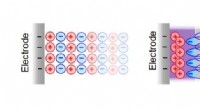
* Ions: Atoms or molecules that have gained or lost electrons, giving them a positive or negative charge.
* Electrolytes: Substances that can conduct electricity when dissolved in water. This conduction is due to the movement of ions.
Examples of electrolytes:
* Salts: Like table salt (NaCl), which dissociates into sodium ions (Na+) and chloride ions (Cl-) in water.
* Acids: Like hydrochloric acid (HCl), which dissociates into hydrogen ions (H+) and chloride ions (Cl-) in water.
* Bases: Like sodium hydroxide (NaOH), which dissociates into sodium ions (Na+) and hydroxide ions (OH-) in water.
Non-electrolytes are compounds that do not release ions when dissolved in solution. These substances don't conduct electricity.
Examples of non-electrolytes:
* Sugars: Like glucose (C6H12O6)
* Alcohols: Like ethanol (C2H5OH)
* Most organic compounds: Like fats and oils
Let me know if you have any other questions!