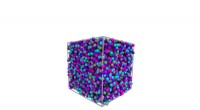
1. Increased Concentration: Higher concentrations of reactants mean more molecules are present in a given volume, increasing the frequency of collisions.
2. Increased Temperature: Higher temperatures lead to faster-moving molecules, resulting in more collisions with higher energy. This increased energy is often crucial to overcome the activation energy barrier for the reaction to occur.
3. Increased Surface Area: For reactions involving solids, a larger surface area exposes more reactant molecules, increasing the chance of collisions.
4. Presence of a Catalyst: A catalyst provides an alternative reaction pathway with a lower activation energy, allowing more collisions to result in successful reactions.
5. Proper Orientation: Even with sufficient energy, molecules must collide in the correct orientation for bonds to break and form properly. This is often a limiting factor in reactions.
6. Physical Agitation or Mixing: Stirring or shaking a reaction mixture helps to bring reactants into contact more frequently, increasing collision rates.
7. Use of a Solvent: A suitable solvent can dissolve reactants, bringing them closer together and facilitating collisions.
8. Removal of Products: Removing products as they form can shift the equilibrium towards the formation of more products, increasing the overall reaction rate.
9. Use of Pressure (for gases): Increasing pressure in a gaseous reaction increases the concentration of molecules, leading to more frequent collisions.
It's important to note that these factors often work together, and their combined effect determines the overall reaction rate.