1. Chemical Tests:
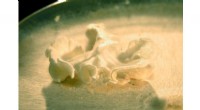
* Limewater test: This is a classic test for carbon dioxide. When carbon dioxide is bubbled through limewater (a saturated solution of calcium hydroxide), it forms a milky white precipitate of calcium carbonate. This is the most common and well-known test for CO2.
* Bromothymol blue indicator: This indicator turns yellow in the presence of carbon dioxide, as it forms carbonic acid in solution. This test is often used in experiments to demonstrate the effects of respiration or combustion on the pH of water.
* Other chemical tests: More specialized tests exist for specific situations, such as those used to measure carbon dioxide levels in blood or air.
2. Instrumental Tests:
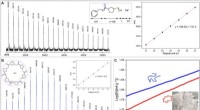
* Gas chromatography: This technique can be used to separate and identify different gases in a sample, including carbon dioxide.
* Infrared spectroscopy: This technique can be used to detect the presence of carbon dioxide based on its unique infrared absorption spectrum.
* CO2 sensors: These are devices that are designed to measure the concentration of carbon dioxide in the air or other environments.
So, to be more specific, you need to tell me:
* What is the context of the test? Are you looking for a simple test to do in the lab, or a more advanced test to measure CO2 levels in the environment?
* What is the purpose of the test? Are you trying to detect the presence of CO2, or measure its concentration?
Once you provide me with more information, I can give you a more specific answer.