* Carbon tetrachloride is a non-polar solvent: CCl₄ has a symmetrical tetrahedral structure with four chlorine atoms surrounding the central carbon atom. This symmetry makes the molecule non-polar.
* Iodine is a non-polar molecule: Iodine exists as a diatomic molecule (I₂) and is also non-polar.
* "Like dissolves like": Non-polar substances tend to dissolve in other non-polar substances.
Therefore, carbon tetrachloride can act as a solvent for iodine, meaning iodine will dissolve in it, forming a homogeneous solution. However, there is no chemical reaction between them.
Important Note: While there is no significant chemical reaction, there are some safety considerations:
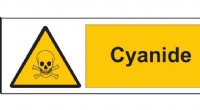
* Carbon tetrachloride is toxic: It's important to handle carbon tetrachloride with caution, as it is a known carcinogen and can cause liver damage.
* Iodine can be corrosive: Direct contact with iodine can irritate the skin and eyes.
If you are working with these substances, always use appropriate safety equipment and follow proper handling procedures.