Understanding the Code:
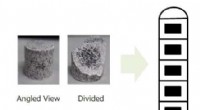
* Catalyst: This refers to your catalytic converter, a vital part of your exhaust system that reduces harmful emissions.
* Bank 2: This indicates the side of the engine where the catalytic converter is located. In most vehicles, bank 1 is on the driver's side, and bank 2 is on the passenger's side.
* Efficiency Below Threshold: This means the catalytic converter on bank 2 is not working as efficiently as it should. It's not meeting the minimum performance standards set by the manufacturer or emissions regulations.
Causes:
* Catalytic converter failure: The most common cause is a damaged or aged catalytic converter. It can become clogged with carbon buildup or have internal damage due to excessive heat or age.
* Oxygen sensor issues: Oxygen sensors (O2 sensors) monitor exhaust gases to adjust fuel mixtures and ensure efficient combustion. If an O2 sensor is faulty, it can send inaccurate signals to the engine control unit (ECU), impacting the catalytic converter's performance.
* Engine problems: Misfires, fuel leaks, or other engine issues can result in unburnt fuel reaching the catalytic converter, causing it to overheat and potentially fail.
* Exhaust leaks: Leaks in the exhaust system before the catalytic converter can lead to a reduction in exhaust gas flow, affecting its efficiency.
Symptoms:
* Check Engine Light: The most common symptom is the "Check Engine Light" illuminating on your dashboard.
* Reduced engine performance: You may experience decreased acceleration or a rough idle.
* Emissions issues: The vehicle might fail an emissions test.
* Strong exhaust odor: You may notice a strong odor of sulfur or rotten eggs from the exhaust.
What to do:
1. Get a diagnostic scan: Take your vehicle to a qualified mechanic or auto shop. They will use a diagnostic scanner to read the specific DTC and determine the underlying cause.
2. Diagnosis and repair: The mechanic will diagnose the problem and recommend the appropriate repair. This could involve replacing the catalytic converter, fixing an O2 sensor, addressing engine issues, or repairing exhaust leaks.
3. Emissions testing: After repairs, it's important to have the emissions system checked again to ensure it's working correctly.
Important Note: It's crucial to address this code promptly. Driving with a malfunctioning catalytic converter can lead to further engine damage and emissions violations.