Here's how you can determine the pH of different things:
1. Using a pH Meter:
* This is the most accurate and convenient way.
* For liquids: Dip the electrode of the pH meter into the solution and read the pH directly from the display.
* For solids: You can make a solution of the solid in water and then measure the pH of the solution.
* For food: Use a pH meter specifically designed for food and follow the manufacturer's instructions.
2. Using pH Paper:
* pH paper is a strip of paper coated with a pH indicator.
* For liquids: Dip the paper into the solution and compare the color change to a pH color chart.
* For solids: You can moisten the paper and then press it against the surface of the solid.
* For food: Use pH paper designed for food testing.
3. Using pH Indicators:
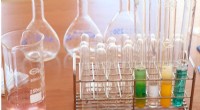
* pH indicators are substances that change color depending on the pH of the solution.
* For liquids: Add a drop of the indicator to the solution and observe the color change.
* For solids: You can make a solution of the solid in water and then add the indicator.
* For food: Use pH indicators specifically designed for food testing.
Important Notes:
* Calibration: pH meters and some pH papers need to be calibrated before use. Follow the manufacturer's instructions.
* Accuracy: pH meters are generally more accurate than pH paper or indicators.
* Safety: Always handle chemicals with caution and wear appropriate safety gear.
If you are unsure how to measure the pH of a specific item, it is best to consult a professional or refer to the manufacturer's instructions.