1. Temperature: Water molecules are constantly moving and vibrating. When the temperature drops below 0° Celsius (32° Fahrenheit), the molecules slow down significantly.
2. Hydrogen Bonding: Water molecules are attracted to each other through hydrogen bonds. These bonds become stronger as the molecules slow down.
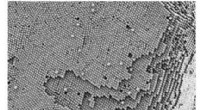
3. Crystal Structure: As the temperature drops further, the water molecules form a rigid, crystalline structure. This structure is characterized by a specific arrangement of molecules, with each water molecule being connected to four other molecules through hydrogen bonds.
4. Solid State: This rigid, crystalline structure is the solid state of water, known as ice.
Key takeaways:
* Freezing point: The temperature at which water changes from liquid to solid is its freezing point. This is 0° Celsius (32° Fahrenheit) at standard atmospheric pressure.
* Expansion: Interestingly, water expands when it freezes. This is because the hydrogen bonds in the crystalline structure push the molecules further apart than they were in the liquid state. This is why ice floats!
Let me know if you have any other questions!