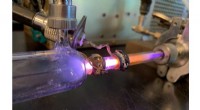
* N₂O₃ (liquid) is a blue liquid at low temperatures, and it exists in equilibrium with its gaseous components:
* NO₂ (nitrogen dioxide) is a brown gas.
* NO (nitric oxide) is a colourless gas.
The equilibrium reaction is:
N₂O₃ (l) ⇌ NO₂ (g) + NO (g)
Here's why the colour changes:
* At low temperatures: The equilibrium favors the formation of N₂O₃, giving the liquid its blue color.
* As temperature increases: The equilibrium shifts to the right, favoring the formation of NO₂ and NO.
* NO₂ is brown: As more NO₂ is formed, the solution appears browner.
* NO is colourless: The colourless NO gas contributes to the overall decrease in the blue colour.
Therefore, the combination of decreasing blue colour (from less N₂O₃) and increasing brown colour (from more NO₂) results in a loss of the blue colour as the temperature increases.
In summary, the colour change is due to the dynamic equilibrium shifting towards the gaseous components, NO₂ and NO, which are less coloured than N₂O₃.