Redox reactions are chemical reactions that involve the transfer of electrons between two species. The term "redox" is a combination of "reduction" and "oxidation."
Here's a breakdown:
* Oxidation: Loss of electrons by a species. A species that undergoes oxidation is called the reducing agent because it causes the other species to be reduced.
* Reduction: Gain of electrons by a species. A species that undergoes reduction is called the oxidizing agent because it causes the other species to be oxidized.
Key points about redox reactions:
* They always occur together. If one species is oxidized, another must be reduced.
* The number of electrons lost in oxidation must equal the number of electrons gained in reduction.
* They are essential for many biological and industrial processes, including:
* Cellular respiration: The process by which organisms convert food into energy.
* Combustion: The process of burning fuels.
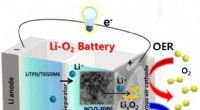
* Electrolysis: The use of electricity to drive non-spontaneous chemical reactions.
* Corrosion: The deterioration of metals due to chemical reactions.
* Photosynthesis: The process by which plants convert sunlight into energy.
Example:
Consider the reaction between zinc metal (Zn) and copper(II) ions (Cu²⁺):
Zn(s) + Cu²⁺(aq) → Zn²⁺(aq) + Cu(s)
* Zinc (Zn) is oxidized: It loses two electrons to become Zn²⁺.
* Copper(II) ions (Cu²⁺) are reduced: They gain two electrons to become copper metal (Cu).
In this reaction, zinc is the reducing agent and copper(II) ions are the oxidizing agent.
Let me know if you'd like more examples or have any other questions about redox reactions.