1. Understanding the Building Blocks of Drugs:
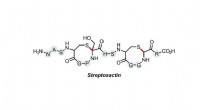
* Drug Structure and Function: Organic chemistry provides the knowledge to understand the structure of drug molecules and how their shape and functional groups determine their interactions with biological targets. This knowledge is crucial for drug design and development.
* Drug Synthesis: Pharmacists need to understand the principles of organic reactions to synthesize new drugs and modify existing ones to enhance their efficacy or reduce side effects.
2. Pharmaceutical Analysis and Quality Control:
* Drug Identification and Purity: Pharmacists use organic chemistry techniques like spectroscopy (NMR, IR, Mass Spectrometry) to identify and characterize drugs, ensuring their purity and quality.
* Drug Stability and Degradation: Understanding organic chemistry helps pharmacists predict how drugs might degrade over time, allowing them to develop appropriate storage and handling methods.
3. Understanding Drug Metabolism and Interactions:
* Metabolic Pathways: Pharmacists need to understand how the body metabolizes drugs, which often involves organic chemical reactions. This knowledge is essential for determining drug dosage, frequency, and potential interactions with other medications.
4. Formulation and Delivery Systems:
* Drug Formulation: Pharmacists use organic chemistry principles to design drug formulations, considering factors like solubility, stability, and bioavailability.
* Drug Delivery Systems: Understanding the chemistry of polymers, lipids, and other materials allows pharmacists to develop advanced drug delivery systems for targeted drug release and improved patient outcomes.
5. Drug Safety and Toxicology:
* Toxicity Mechanisms: Pharmacists need to understand how drugs interact with the body at a molecular level to assess potential toxicities and ensure patient safety.
In summary:
Organic chemistry provides the foundation for understanding the chemical basis of drugs, their interactions with the body, and their development and administration. It is an essential part of pharmacy education and practice, enabling pharmacists to make informed decisions about drug selection, dosage, and safety.