Here's a breakdown:
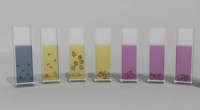
* What happens: The liquid is forced through a nozzle or other device that breaks it into small particles, typically with diameters ranging from a few micrometers to a few hundred micrometers. This can be done through various methods, like using pressure, air, or ultrasound.
* Why it's important: Atomization offers several advantages, including:
* Increased surface area: This enhances reactions, absorption, and evaporation rates.
* Improved mixing: Atomized liquids can be more easily mixed with other substances.
* Enhanced distribution: Atomization allows for a wider and more even distribution of the liquid.
* Fine control: Atomization allows for precise control over droplet size and distribution.
Examples of atomized liquids:
* Spray paint: The paint is atomized into fine droplets to create a smooth, even coating.
* Inhalers: Medications are atomized into fine particles to be inhaled deep into the lungs.
* Fuel injection: Fuel is atomized to ensure proper combustion in engines.
* Agricultural spraying: Pesticides and fertilizers are atomized for efficient distribution on crops.
In summary: Atomization is a process of breaking down liquids into tiny droplets, significantly increasing their surface area and offering various benefits in diverse applications.