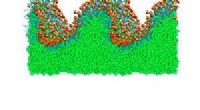
* Pure aspirin has a very specific and well-defined melting point. This is because the molecules are all identical and pack together in a highly ordered crystalline structure.
* Lab-prepared aspirin is likely to contain impurities. These impurities can be:
* Reactants: Traces of starting materials used in the synthesis.
* Byproducts: Other molecules formed during the reaction that are not aspirin.
* Solvents: Residual solvents used in purification steps.
* Degradation products: Aspirin can decompose over time, forming other compounds.
These impurities disrupt the orderly structure of the aspirin crystals, weakening the intermolecular forces. This results in a lower melting point because less energy is required to break apart the less-organized crystal lattice.
Here's a simplified analogy: Imagine a perfectly organized stack of books (pure aspirin). It takes a lot of effort to disrupt that stack. Now imagine a pile of books mixed with other random items (impure aspirin). It takes less effort to mess up the pile because it's less organized.
Melting point is a key indicator of purity:
* A sharp, well-defined melting point close to the literature value indicates a high level of purity.
* A broad melting point range or a lower melting point suggests the presence of impurities.
Therefore, the difference in melting points between pure aspirin and lab-prepared aspirin can help assess the success of the synthesis and purification process.