Here's how it works:
1. Charged Electrode: The spray nozzle is fitted with a high-voltage electrode that creates a strong electrostatic field. This electrode is typically connected to a power source generating a high voltage (usually in the range of 50-100 kV).
2. Paint Atomization: As the paint is forced through the nozzle, it gets atomized into fine droplets. These droplets pass through the electrostatic field generated by the electrode.
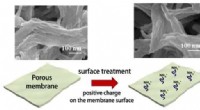
3. Particle Charging: The paint droplets acquire a positive charge as they pass through the electrostatic field. This happens because the droplets interact with the electric field, causing a separation of charges within them. The positive charge then resides on the surface of the droplets.
4. Attraction to Grounded Surface: The positively charged paint droplets are then attracted towards the grounded surface being painted. The opposite charges attract, resulting in a uniform and efficient coating.
Advantages of Electrostatic Spraying:
* Efficient Coating: Electrostatic spraying leads to a more efficient and uniform coating as the paint particles are attracted to the grounded surface.
* Reduced Overspray: Less paint is wasted as the charged droplets adhere to the target surface better, minimizing overspray and paint loss.
* Enhanced Coverage: The charged particles can reach and coat hard-to-reach areas, enhancing the overall coverage.
* Environmentally Friendly: Reduced overspray means less paint waste, leading to less air pollution and paint disposal.
Applications of Electrostatic Spraying:
Electrostatic spraying is widely used in various industries, including:
* Automotive: Painting car bodies and parts.
* Aerospace: Coating aircraft surfaces and components.
* Manufacturing: Painting industrial equipment, machinery, and furniture.
* Construction: Applying protective coatings to metal structures and buildings.
Electrostatic spraying is a valuable technique for achieving efficient, uniform, and environmentally friendly paint application. The process relies on the fundamental principles of electrostatics to charge paint droplets and direct them to the intended surface.