Chemical Properties
* Definition: These are inherent characteristics of a substance that describe how it behaves in chemical reactions. They describe the potential for a substance to undergo a change.
* Examples:
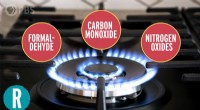
* Flammability: How easily a substance catches fire.
* Reactivity: How readily a substance reacts with other substances.
* Acidity/Basicity: How acidic or basic a substance is.
* Oxidation State: The tendency of a substance to lose or gain electrons.
* Key Point: Chemical properties are not the changes themselves, but rather the inherent characteristics that *determine* how a substance will change.
Chemical Changes
* Definition: These are processes that result in the formation of new substances with different chemical compositions. This involves the breaking and forming of chemical bonds.
* Examples:
* Burning: Wood reacts with oxygen to form ash, carbon dioxide, and water.
* Rusting: Iron reacts with oxygen and water to form iron oxide (rust).
* Cooking: The chemical composition of food changes when heated.
* Key Point: Chemical changes are observable events that demonstrate the chemical properties of substances.
In Summary:
* Chemical properties are the inherent characteristics of a substance that determine its behavior in chemical reactions.
* Chemical changes are the observable processes that occur when these properties are manifested.
Think of it like this:
* Chemical property: Like a person's predisposition to be allergic to peanuts.
* Chemical change: The allergic reaction itself (the observable change) when the person eats peanuts.
Let me know if you'd like more examples or have further questions!