* Carbon Dioxide (CO2): This is the main product of combustion.
* Water (H2O): This is also produced in significant quantities.
* Energy (heat and light): The combustion process releases energy in the form of heat and light.
It's important to note that the specific products and their relative amounts can vary depending on the conditions of the combustion, such as the availability of oxygen and the temperature. In addition to the primary products listed above, minor amounts of other products can also be formed, such as:
* Carbon Monoxide (CO): This is a toxic gas that can be produced in incomplete combustion.
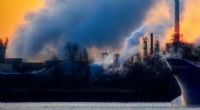
* Soot (carbon particles): This is formed in incomplete combustion and can contribute to air pollution.
* Nitrogen oxides (NOx): These are air pollutants that can be formed from the reaction of nitrogen in the air with oxygen at high temperatures.
Therefore, while there isn't a single "product name" for the combustion of decane, the most common and significant products are carbon dioxide and water.