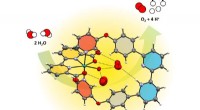
Plants are primarily producers of oxygen:
* Photosynthesis: This is the process where plants use sunlight, water, and carbon dioxide to create their own food (sugars) and release oxygen as a byproduct. This is the primary way oxygen enters the atmosphere.
But they also consume oxygen during respiration:
* Respiration: Like all living things, plants need energy to grow and function. They get this energy by breaking down the sugars they produced through photosynthesis. This process uses oxygen and releases carbon dioxide, just like in animal respiration.
The balance is key:
* Daytime: During the day, plants produce much more oxygen through photosynthesis than they consume through respiration. So, the net effect is the release of oxygen into the environment.
* Nighttime: Without sunlight, photosynthesis stops, and plants only consume oxygen through respiration. This is why it's not advisable to have lots of plants in your bedroom at night.
In essence:
* Plants are net oxygen producers, meaning they produce more oxygen than they consume over the course of a day. This is crucial for the planet's oxygen supply and our survival.
Let me know if you have any other questions!