Environmental Pollution:
* Acid Rain: Burning fossil fuels releases sulfur dioxide and nitrogen oxides into the atmosphere. These gases react with water vapor to form sulfuric acid and nitric acid, which fall to the earth as acid rain. Acid rain damages forests, lakes, and buildings.
* Ozone Depletion: Chlorofluorocarbons (CFCs) released from refrigerants and aerosols react with ozone in the stratosphere, depleting the ozone layer that protects us from harmful ultraviolet radiation.
* Greenhouse Gas Emissions: The burning of fossil fuels releases carbon dioxide and other greenhouse gases into the atmosphere, contributing to global warming and climate change.
Health Issues:
* Air Pollution: Burning fossil fuels and other industrial processes release harmful pollutants into the air, such as particulate matter, ozone, and carbon monoxide. These pollutants can cause respiratory problems, heart disease, and cancer.
* Water Pollution: Industrial waste, agricultural runoff, and sewage can contaminate water sources with harmful chemicals and bacteria, leading to health problems and even death.
* Food Contamination: Pesticides, herbicides, and other chemicals used in agriculture can contaminate food, leading to health problems.
Other Negative Impacts:
* Corrosion: Chemical reactions can cause metals to corrode and rust, damaging infrastructure and machinery.
* Explosions: Some chemical reactions can be explosive, leading to injuries, property damage, and environmental pollution.
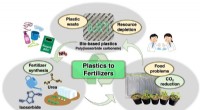
* Plastic Pollution: The production and disposal of plastic generate a large amount of waste that can pollute the environment and harm wildlife.
Examples of specific chemical changes with negative effects:
* Burning fossil fuels: This releases greenhouse gases and pollutants, leading to climate change, respiratory problems, and acid rain.
* Using pesticides: This can contaminate food and water sources, harming wildlife and human health.
* Producing plastics: This releases harmful chemicals during production and disposal, contributing to pollution and climate change.
* Exploding dynamite: This releases energy and harmful chemicals, causing damage and potentially leading to fires and explosions.
It's important to note that not all chemical changes are bad. Many are essential for life and industry. However, it's crucial to be aware of the potential negative effects of chemical changes and to use chemicals responsibly to minimize their impact.