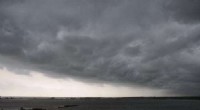
1. Wind: Winds blowing across the ocean surface create friction, pushing the water along. This is particularly significant in creating surface currents like the Gulf Stream.
2. Gravity: Gravity plays a role in the movement of water, driving it from areas of high elevation to areas of low elevation. This can happen through tides, which are caused by the gravitational pull of the Moon and Sun on the Earth's oceans.
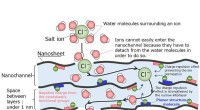
3. Density Differences: Water density varies based on temperature and salinity (salt content). Denser water (colder and/or saltier) sinks, while less dense water (warmer and/or less salty) rises. This creates thermohaline circulation, a deep ocean current system that carries heat and nutrients around the globe.
4. Earth's Rotation: The Earth's rotation deflects moving objects, including ocean currents. This effect, known as the Coriolis effect, causes currents in the Northern Hemisphere to curve to the right and currents in the Southern Hemisphere to curve to the left.
5. Topography: The shape of the ocean floor, including continental shelves and underwater mountains, can influence ocean currents by directing their flow and creating eddies.
These factors combine to create a vast and dynamic global network of ocean currents that transport heat, nutrients, and organisms around the planet, significantly impacting climate, weather patterns, and marine ecosystems.