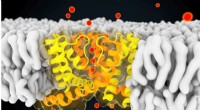
Proton pump inhibitors (PPIs) are a class of drugs that effectively reduce the amount of stomach acid produced. They work by targeting the proton pumps, which are located in the lining of the stomach and are responsible for pumping hydrogen ions (H+) into the stomach lumen, creating acidic gastric juice.
Here's a step-by-step explanation:
1. Targeting the Proton Pump: PPIs are highly specific for the proton pump, which is also known as the hydrogen potassium ATPase (H+/K+ ATPase). They bind irreversibly to this enzyme.
2. Blocking the Proton Pump: The binding of PPIs to the proton pump blocks its function, preventing it from pumping hydrogen ions into the stomach. This action effectively reduces the production of gastric acid.
3. Reduced Stomach Acidity: The decrease in stomach acidity achieved by PPIs can significantly alleviate symptoms associated with conditions like:
- Gastroesophageal reflux disease (GERD): This is a common condition characterized by the backflow of stomach acid into the esophagus, causing heartburn and other symptoms.
- Peptic ulcers: These are sores in the lining of the stomach or duodenum (the first part of the small intestine) that can be caused by excess stomach acid.
- Zollinger-Ellison syndrome: This rare condition involves the overproduction of gastrin, a hormone that stimulates acid production, leading to severe ulcers.
Key Features of PPIs:
* Long-lasting effect: PPIs have a prolonged effect because they bind irreversibly to the proton pump, meaning they remain attached for a significant period even after the drug is no longer present in the body.
* High efficacy: PPIs are highly effective in reducing stomach acid production, leading to significant relief of symptoms.
* Multiple formulations: PPIs are available in different forms, including tablets, capsules, and granules, which can be taken orally.
Important Note: While PPIs are generally safe and effective, they can have side effects, including:
* Increased risk of fractures: Long-term PPI use has been linked to an increased risk of bone fractures.
* Gut infections: PPIs can interfere with the balance of bacteria in the gut, potentially leading to infections.
* Magnesium deficiency: Some PPIs may interfere with magnesium absorption, leading to deficiency.
It is crucial to discuss any potential risks or side effects with your doctor before taking PPIs.
Remember, this information is for educational purposes only and should not be considered medical advice. Always consult with a healthcare professional for any health concerns.