Here's a breakdown of the key mechanisms:
1. Photosynthesis:
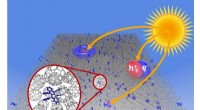
* The primary process: Photosynthesis is the most significant way CO2 is incorporated into organic molecules. Plants, algae, and some bacteria use sunlight energy to convert CO2 and water into glucose (a sugar) and oxygen. This process occurs in two main stages:
* Light-dependent reactions: Light energy is captured and used to generate ATP (energy currency) and NADPH (a reducing agent).
* Calvin cycle (light-independent reactions): CO2 is incorporated into an existing five-carbon sugar (ribulose bisphosphate) to form a six-carbon compound, which is then split into two three-carbon compounds (glyceraldehyde-3-phosphate). This compound is the starting point for the synthesis of other organic molecules.
2. Chemosynthesis:
* For organisms without sunlight: Certain bacteria, called chemoautotrophs, utilize energy from chemical reactions to fix CO2. These reactions can involve the oxidation of inorganic compounds like hydrogen sulfide (H2S) or methane (CH4).
* Example: Some bacteria in hydrothermal vents use H2S as their energy source and fix CO2 to produce organic compounds.
3. Carbon Fixation in Non-Photosynthetic Organisms:
* Limited but vital: While not as prevalent as photosynthesis, some non-photosynthetic organisms, like certain bacteria and archaea, can fix CO2 using enzymes like RubisCO or carboxylase. This is often a vital step in their metabolic pathways for growth and survival.
Overall, the incorporation of CO2 into organic compounds is crucial for:
* Life on Earth: It provides the building blocks for all living organisms and is the foundation of the food chain.
* Atmospheric regulation: Photosynthesis removes CO2 from the atmosphere, helping to regulate Earth's climate.
* Carbon cycling: The constant cycling of carbon between the atmosphere, biosphere, and geosphere is maintained through processes like carbon fixation and decomposition.
Understanding carbon fixation is key to appreciating the intricate workings of life on Earth and the importance of maintaining the delicate balance of our planet's carbon cycle.