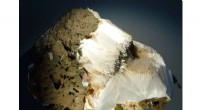
* Oxidation: Rusting is essentially the oxidation of iron. Oxygen from the air reacts with the iron, forming iron oxide (rust). This reaction releases energy, just like burning does.
* Exothermic Reaction: The process of rusting is exothermic, meaning it releases heat, though the heat produced is very small and often dissipated quickly.
* Similar Chemical Process: The fundamental chemical process at work in both rusting and combustion is oxidation, where a substance combines with oxygen. In both cases, electrons are transferred from the iron or fuel to the oxygen.
Why Rusting is Slower:
* Slow Reaction Rate: Rusting is a much slower reaction compared to the rapid burning of fuel. This is because the reaction surface area is limited, and the oxygen molecules need to diffuse through a layer of rust that forms on the iron's surface.
* Absence of Flame: Unlike combustion where a flame is visible, rusting is a gradual process without a noticeable flame.
In Conclusion:
While rusting doesn't involve a visible flame or rapid heat release like typical combustion, the underlying chemical process is fundamentally the same: oxidation. It's just a much slower and less dramatic form of it.