* Large Atomic Size: Xenon has the largest atomic radius among the noble gases. This means its outermost electrons are farther from the nucleus and less tightly held, making them more susceptible to interactions with other atoms.
* Lower Ionization Energy: Xenon has a lower ionization energy than other noble gases. This means it takes less energy to remove an electron from a xenon atom, making it more likely to form bonds with other elements.
* Relatively Weak Shielding: Xenon's outermost electrons experience less shielding from the inner electrons, making them more susceptible to interactions with other atoms.
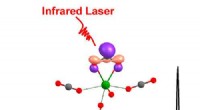
Due to these factors, xenon can form compounds with elements such as fluorine, oxygen, and even carbon, which was a groundbreaking discovery in chemistry. While xenon is the most reactive of the noble gases, it's still significantly less reactive than elements in other groups on the periodic table.
Here's a comparison of the reactivity of the noble gases:
* Xenon (Xe): Most reactive
* Radon (Rn): Reactive, but radioactive
* Krypton (Kr): Less reactive than Xe
* Argon (Ar): Even less reactive than Kr
* Neon (Ne): Very unreactive
* Helium (He): The least reactive
So, while xenon is the most reactive of the noble gases, it's still considered a relatively unreactive element compared to most other elements on the periodic table.