1. Carbohydrates: Composed of carbon, hydrogen, and oxygen, carbohydrates provide energy for the body and are important structural components of cells. Examples include sugars, starches, and cellulose.
2. Lipids: These molecules are also known as fats and oils. They are composed of carbon, hydrogen, and oxygen, but with a higher proportion of hydrogen. Lipids provide long-term energy storage, insulation, and make up cell membranes. Examples include triglycerides, phospholipids, and steroids.
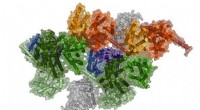
3. Proteins: Made up of amino acids, proteins are essential for a wide range of bodily functions, including growth, repair, and enzyme activity. They are composed of carbon, hydrogen, oxygen, and nitrogen. Examples include enzymes, antibodies, and structural proteins.
4. Nucleic acids: These molecules carry genetic information within cells. They are made up of nucleotides, which contain a sugar, a phosphate group, and a nitrogenous base. Examples include DNA and RNA.
Let me know if you'd like more detail on any of these macromolecules!