Here's how it works:
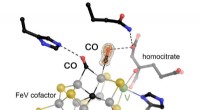
* Nitrogen Fixation: Nitrogen gas (N2), which makes up about 78% of the atmosphere, is unusable by most organisms. Nitrogen-fixing bacteria, primarily found in soil and water, convert N2 into ammonia (NH3), a form that plants can use.
* Nitrification: Other bacteria convert ammonia into nitrates (NO3-), which are also usable by plants.
* Assimilation: Plants absorb nitrates and use them to build proteins and nucleic acids. Animals obtain nitrogen by consuming plants or other animals.
* Ammonification: When organisms die, decomposers break down their organic matter, releasing ammonia back into the soil.
* Denitrification: Some bacteria convert nitrates back into nitrogen gas, which is released into the atmosphere.
This cycle is essential for life on Earth, as nitrogen is a key component of proteins, DNA, and other vital molecules.