1. Formation of a new substance: This is the most fundamental indicator. A new substance with different properties from the original reactants will be formed. For example, when iron rusts, a new substance called iron oxide is formed, which is a reddish-brown solid unlike the original shiny iron.
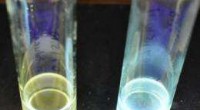
2. Color change: A change in color often indicates a chemical reaction has taken place. For example, when you mix baking soda and vinegar, the solution bubbles and changes color.
3. Gas production (effervescence): The release of gas bubbles is a strong indication of a chemical reaction. For example, when baking soda is mixed with vinegar, carbon dioxide gas is released.
4. Heat or light production (exothermic or endothermic reaction): A chemical reaction may release heat (exothermic reaction), making the surroundings hotter, or absorb heat (endothermic reaction), making the surroundings colder. For example, burning wood is exothermic, releasing heat and light.
It's important to note that not all these indicators necessarily mean a chemical change has happened. For example, a color change could be due to a physical change, such as dissolving food coloring in water. However, if multiple indicators are present, it's a strong indication that a chemical change has occurred.