* Colloids: Colloids are mixtures where one substance is dispersed evenly throughout another, but the particles are larger than those in a solution. Think milk, fog, or even paint.
* Jelly's Structure: Jelly is made of gelatin, a protein derived from collagen. When gelatin is dissolved in hot water and then cooled, the protein molecules form a network of long chains. These chains entrap water molecules, creating a gel-like structure.
* Solid-Like Properties: Because the water is held within this network, jelly feels solid and holds its shape. It resists deformation under its own weight. However, it can still be cut or spread, unlike a true solid.
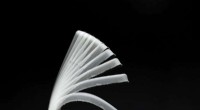
* Fluid Properties: The water within the jelly is still technically a liquid. This is why jelly can jiggle and vibrate when disturbed, and it's also why it can melt if heated.
So, jelly isn't a solid in the true sense. It's a solid-like colloid, a unique state of matter where solid-like and fluid-like properties coexist.