Triple Point:
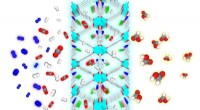
* At a specific temperature and pressure, water can exist in all three phases simultaneously. This is called the triple point, and for water, it occurs at 0.01°C (32.018°F) and 0.006 ATM. This is a very specific condition and isn't relevant for everyday 1 ATM pressure.
Normal Freezing and Boiling Points:
* At 1 ATM, the normal freezing point of water is 0°C (32°F), which is the temperature at which liquid water transitions into solid ice.
* At 1 ATM, the normal boiling point of water is 100°C (212°F), which is the temperature at which liquid water transitions into water vapor.
Phase Changes at 1 ATM:
* Below 0°C (32°F): Water exists as solid ice.
* Between 0°C (32°F) and 100°C (212°F): Water exists as liquid water.
* Above 100°C (212°F): Water exists as water vapor.
Note: These are the typical values for pure water. Impurities, dissolved substances, and other factors can slightly shift the freezing and boiling points.
In essence, at 1 ATM, the phase boundary of water defines the temperatures at which it transitions from solid to liquid (0°C) and liquid to gas (100°C).