Food decay is a complex process orchestrated by a variety of chemical reactions, primarily driven by:
1. Enzymatic Reactions:
* Hydrolysis: Enzymes within the food break down large molecules (proteins, carbohydrates, fats) into smaller units. This is facilitated by the addition of water molecules, splitting bonds and altering the structure of the food.
* Oxidation: Enzymes can also catalyze oxidation reactions, leading to the breakdown of fats and the formation of rancid compounds.
* Autolysis: This refers to the breakdown of cells by their own enzymes, often contributing to the softening and discoloration of food.
2. Microbial Action:
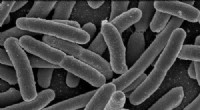
* Microorganisms: Bacteria, fungi, and yeasts are the key players in food decay. They thrive on the nutrients released by enzymatic reactions, further breaking down molecules and producing waste products.
* Fermentation: Microbes can ferment sugars into acids (lactic acid, acetic acid), contributing to sourness and flavor changes.
* Putrefaction: This refers to the breakdown of proteins by bacteria, producing foul-smelling compounds like hydrogen sulfide, ammonia, and amines.
3. Non-Enzymatic Reactions:
* Maillard Reaction: This reaction between sugars and amino acids contributes to browning, flavor development, and aroma changes.
* Lipid Oxidation: Unsaturated fats can undergo oxidation in the presence of oxygen, leading to rancidity and the formation of off-flavors.
4. Physical Changes:
* Water Activity: As water evaporates from food, it becomes more susceptible to microbial growth and chemical reactions.
* Moisture Migration: Water movement within the food can facilitate enzymatic activity and microbial growth.
* Texture Alterations: Breakdown of structural components leads to softening, weakening, and changes in texture.
Overall, the decay of food is a complex interplay of these factors. This intricate symphony of chemical reactions results in the familiar signs of spoilage:
* Color changes: Browning, discoloration, greening, etc.
* Odor changes: Sourness, rancidity, putrid smells.
* Texture changes: Softening, mushiness, slime formation.
* Flavor changes: Bitterness, sourness, metallic tastes.
Understanding these chemical reactions is crucial for extending the shelf life of food and ensuring its safety for consumption. By controlling factors like temperature, humidity, and oxygen exposure, we can slow down the decay process and maintain the quality of our food.