Rust is essentially iron oxide, formed when iron reacts with oxygen in the presence of water. Here's a breakdown of the process:
1. Exposure to Oxygen: Iron atoms on the surface of metal come into contact with oxygen molecules in the air.
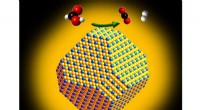
2. Formation of Iron Oxide: The iron atoms lose electrons (oxidation) and combine with oxygen atoms, forming iron oxide (Fe2O3). This is the initial stage of rust.
3. Water's Role: Water acts as a catalyst, speeding up the oxidation process. It helps dissolve the iron oxide, creating a more porous surface that allows more oxygen to reach the metal.
4. Rust Development: As the process continues, the iron oxide layer grows thicker, forming the familiar reddish-brown rust we see.
Factors that affect rust formation:
* Moisture: The presence of water is crucial. The more humid the environment, the faster rust will form.
* Oxygen Levels: More oxygen means faster rusting.
* Temperature: Higher temperatures generally accelerate the reaction.
* Acids and Salts: These can also speed up rust formation by increasing the acidity of the environment.
* Presence of Electrolytes: Solutions containing dissolved salts (like seawater) act as electrolytes, accelerating the process.
Methods to accelerate rusting:
* Salt Water: Exposing metal to salt water is a very effective way to encourage rusting. The salt acts as an electrolyte, speeding up the process.
* Vinegar: Vinegar is acidic, and the acid helps break down the metal's protective layer, making it more susceptible to rusting.
* Hydrogen Peroxide: Hydrogen peroxide can be used as a strong oxidizing agent to accelerate rusting.
Important Note: While understanding how to rust metal is useful for various applications, it's also important to remember that rust can be detrimental to metal structures.