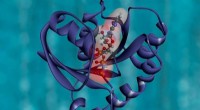
The human body is a complex chemical factory, constantly buzzing with a myriad of chemical reactions that sustain life. These reactions, collectively known as metabolism, can be broadly classified into two categories:
1. Anabolism: Building up processes
* Synthesis of complex molecules: Anabolic reactions build larger, more complex molecules from smaller ones, requiring energy.
* Protein synthesis: Building proteins from amino acids is crucial for growth, repair, and enzyme production.
* Carbohydrate synthesis: Converting glucose into glycogen for energy storage.
* Lipid synthesis: Creating fatty acids and cholesterol for cell membranes and hormones.
* Nucleic acid synthesis: Building DNA and RNA for genetic information and protein production.
* Growth and repair: Anabolism is essential for the body to grow, develop, and repair tissues.
2. Catabolism: Breaking down processes
* Breakdown of complex molecules: Catabolic reactions break down large molecules into smaller ones, releasing energy.
* Digestion: Breaking down food into smaller molecules that can be absorbed.
* Cellular respiration: Breaking down glucose to produce ATP, the body's energy currency.
* Breakdown of proteins, lipids, and nucleic acids: Recycling these molecules for energy or to build new molecules.
* Waste removal: Catabolism helps eliminate waste products from the body.
Key Chemical Reactions:
Here are some prominent examples of chemical reactions happening in the body:
* Photosynthesis (in plants): Capturing sunlight energy to convert carbon dioxide and water into glucose and oxygen.
* Cellular respiration: Breaking down glucose to produce ATP, a process involving glycolysis, the Krebs cycle, and electron transport chain.
* Digestion: Breaking down food into smaller molecules with the help of enzymes.
* Hormonal regulation: Hormones like insulin and glucagon regulate blood sugar levels through a series of reactions.
* Immune response: Chemical reactions involved in identifying and destroying pathogens.
* Muscle contraction: Chemical reactions involving ATP and calcium ions are crucial for muscle movement.
* Neurotransmission: Chemical reactions release and transmit signals between neurons.
* Detoxification: Liver enzymes break down and detoxify harmful substances.
Factors Influencing Chemical Reactions:
* Enzymes: Biological catalysts that speed up reactions without being consumed.
* Temperature: Optimum body temperature is crucial for proper enzyme function.
* pH: Maintaining proper pH levels is essential for enzyme activity and overall body function.
* Hormones: Chemical messengers that regulate various metabolic processes.
* Nutrients: The body requires essential nutrients to fuel various chemical reactions.
The Importance of Chemical Reactions:
The continuous interplay of chemical reactions in the body is vital for:
* Survival: Maintaining homeostasis, regulating body temperature, and obtaining energy.
* Growth and development: Building tissues, synthesizing molecules for growth and repair.
* Reproduction: Hormonal regulation and genetic material replication.
* Response to environment: Adapting to changes in environment and responding to stimuli.
Understanding the intricate dance of chemical reactions in the body provides a foundation for comprehending human health and disease. By studying these reactions, we can identify potential targets for therapeutic interventions and develop strategies for maintaining optimal health.