* Acids are not necessarily solids. They can be liquids (like vinegar, which contains acetic acid), gases (like hydrochloric acid gas), or even exist in aqueous solutions (like sulfuric acid dissolved in water).
* The definition of an acid is based on its chemical properties, not its physical state. An acid is a substance that donates hydrogen ions (H+) when dissolved in water.
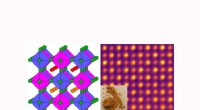
* Regular arrangement of particles is a characteristic of solids. This is called a crystalline structure. While some acids can exist in a solid state, their acidic properties are still determined by their ability to release H+ ions when dissolved.
Examples of acids in different states:
* Solid: Citric acid (found in citrus fruits)
* Liquid: Hydrochloric acid (HCl)
* Gas: Hydrogen fluoride (HF)
Let me know if you have any other questions about acids!