Extremely Fast Reactions (Picoseconds to Nanoseconds):
* Explosions: Explosions involve extremely rapid exothermic reactions that release a large amount of energy in a short time, generating a shock wave.
* Detonation of explosives: TNT, dynamite, and other explosives undergo rapid decomposition reactions that produce a large volume of gas in a fraction of a second.
* Combustion: The rapid reaction between a fuel and an oxidant (typically oxygen) to produce heat and light.
* Burning of fuels: Wood, gasoline, and natural gas combust rapidly in the presence of oxygen, releasing energy.
* Photochemical reactions: Reactions initiated by light absorption, often occurring in the femtosecond (10^-15 seconds) to picosecond (10^-12 seconds) timescale.
* Photosynthesis: The process by which plants convert sunlight into chemical energy.
* Vision: The absorption of light by rhodopsin in the eye initiates a series of chemical reactions that lead to vision.
Fast Reactions (Microseconds to Milliseconds):
* Neutralization reactions: Reactions between acids and bases, which often proceed rapidly in solution.
* Titrations: Used in chemistry to determine the concentration of a solution.
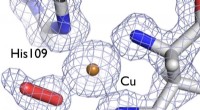
* Enzyme-catalyzed reactions: Reactions catalyzed by enzymes, which can increase the rate of a reaction by many orders of magnitude.
* Digestion: Enzymes break down food molecules into smaller components.
* Electrochemical reactions: Reactions that occur at the interface between an electrode and an electrolyte.
* Batteries: Electrochemical reactions in batteries convert chemical energy into electrical energy.
Factors Affecting Reaction Speed:
* Temperature: Higher temperatures generally increase reaction rates.
* Concentration: Higher concentrations of reactants increase the likelihood of collisions, leading to faster reactions.
* Surface area: Larger surface areas allow for more contact between reactants, increasing reaction speed.
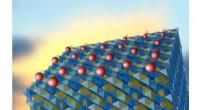
* Catalyst: A catalyst speeds up a reaction without being consumed in the process.
Note: This is not an exhaustive list, and the speed of a reaction can vary depending on specific conditions.