Here's a breakdown:
* Solute: The substance that gets dissolved. It can be a solid, liquid, or gas.
* Solvent: The substance that does the dissolving. It's usually a liquid but can also be a gas or a solid.
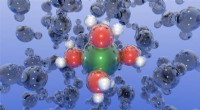
* Solution: The homogeneous mixture formed when the solute dissolves in the solvent.
Examples:
* Water is a common solvent for many substances, like sugar (solute) to make a sugar solution.
* Acetone is a solvent used to dissolve nail polish.
* Ethanol is a solvent used to extract essential oils from plants.
Important points about solvents in experiments:
* Solubility: The ability of a solute to dissolve in a solvent is called solubility. Different solutes have different solubilities in different solvents.
* Polarity: Solvents can be polar or non-polar. Polar solvents (like water) dissolve polar solutes (like sugar), while non-polar solvents (like oil) dissolve non-polar solutes (like fat).
* Concentration: The amount of solute dissolved in a given amount of solvent determines the concentration of the solution.
In an experiment, the solvent is important because it:
* Provides a medium for reactions to occur.
* Helps to control the rate of reactions.
* Allows for the separation and purification of substances.
* Can be used to extract desired compounds from a mixture.
Understanding the role of solvents in experiments is crucial for designing successful experiments and interpreting the results accurately.