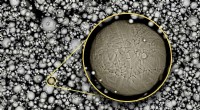
* Heat Energy: When heat energy is applied to an ice cube, the molecules within the ice start to vibrate faster.
* Breaking Bonds: As the vibrations become more energetic, the weak bonds holding the water molecules together in the rigid structure of ice start to break.
* Liquid Formation: As more bonds break, the molecules become less tightly packed and move more freely, transitioning into the liquid state of water.
Key factors that affect melting:
* Temperature: Higher temperatures provide more energy for faster molecular vibrations, leading to faster melting.
* Surface Area: Smaller ice cubes have a larger surface area exposed to the heat source, causing them to melt faster.
* Presence of impurities: Impurities can disrupt the ice structure and make it melt faster.
Melting is a physical change: It doesn't change the chemical composition of the water, just its physical state. The same water molecules that were in the ice are still there in the liquid form.