1.Evaporation:
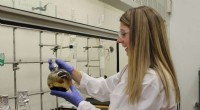
- Heat the solution of potassium dichromate in a suitable container, such as a glass beaker, until the water evaporates.
- As the water evaporates, the concentration of potassium dichromate in the remaining solution will increase.
- Continue heating until the solution becomes saturated and crystals of potassium dichromate start to form.
- Allow the solution to cool slowly, which will allow the crystals to grow larger.
- Filter the crystals from the solution using filter paper to separate the crystals from the remaining liquid.
- Dry the crystals thoroughly to remove any remaining water.
2. Precipitation:
- Add a suitable precipitating agent, such as sodium hydroxide (NaOH) or hydrochloric acid (HCl), to the solution of potassium dichromate.
- Sodium hydroxide will react with potassium dichromate to form a precipitate of potassium chromate (K2CrO4).
- Hydrochloric acid will react with potassium dichromate to form a precipitate of chromic acid (H2CrO4).
- Filter the precipitate from the solution using filter paper.
- Wash the precipitate thoroughly with water to remove any impurities.
- Dry the precipitate thoroughly to obtain pure potassium chromate or chromic acid.
The choice of method will depend on the specific circumstances and requirements of the recovery process.