1. Pigments: Pigments are solid, insoluble particles that provide paint with color and opacity. They are typically inorganic compounds, such as metal oxides (e.g., titanium dioxide for white, iron oxide for red, etc.) or organic compounds (e.g., carbon black).
2. Resins/Binders: Resins, also known as binders, are polymers that form the continuous film in paint. They hold pigments together and adhere the paint to the surface being coated. Common resins include acrylics, alkyds, epoxies, polyurethanes, and natural oils (e.g., linseed oil).
3. Solvents: Solvents are volatile liquids that dissolve resins and allow paint to be applied smoothly. They evaporate after application, leaving the solid film of resin and pigment behind. Common solvents include water, mineral spirits, and petroleum distillates.
4. Additives: Paints can include a variety of additives to modify their properties. These may include:
- Driers: Accelerate the drying process of oil-based paints by absorbing oxygen.
- Coalescing agents: Help droplets of resin merge and form a continuous film.
- Flattening agents: Reduce the gloss of paint by making the surface less reflective.
- Thickeners: Increase the viscosity and prevent paint from running or dripping.
- Mildewcides: Prevent the growth of mold and mildew on paint.
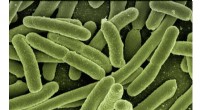
- Biocides: Protect the paint from microorganisms and bacteria.
5. Propellants: Aerosol paints contain propellants, such as compressed air, nitrogen, or hydrocarbons, which force the paint out of the can.
It's important to note that paint formulations are complex and may contain many other specialty chemicals and materials to achieve specific properties, such as color, durability, flexibility, resistance to heat or chemicals, or desired application characteristics.