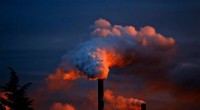
1. De-gassing of the Earth: As the early Earth was forming and heating up, volatile elements such as water, carbon dioxide, and other gases were released from the planet's interior through volcanic eruptions and other processes. These gases formed an atmosphere around the Earth.
2. Condensation and Rain: As the Earth's atmosphere cooled, water vapor condensed and formed clouds. Eventually, these clouds produced rain, which fell onto the planet's surface. However, this rainfall would not have been sufficient to create the vast oceans.
3. Impact Hypothesis: It's believed that water was delivered to Earth from other sources besides rainwater, primarily through the impact of icy bodies like comets and asteroids. Early in Earth's history, multiple collisions with these water-rich objects gradually brought enormous amounts of ice and water.
4. Volcanic Activity and Hydrothermal Vents: Throughout Earth's history, volcanic activity released more water vapor and gases, which eventually contributed to the water content on the planet's surface. Additionally, undersea hydrothermal vents on the ocean floor continually expelled water and minerals into the oceans.
5. Ocean Basin Formation: Tectonic processes, including continental drift and seafloor spreading, led to the formation of ocean basins. As the Earth's crust shifted over time, the ocean floor was created and the continents moved to their current positions.
It's important to note that the formation of oceans was an ongoing process, and scientists are still studying the complexities involved. The oceans are continually being shaped and influenced by various factors, such as climate changes, seafloor spreading, and the water cycle.