1. Industrial Discharge: Many industries discharge untreated or inadequately treated wastewater into rivers, lakes, and oceans. Industrial effluents often contain toxic chemicals, heavy metals, solvents, and other pollutants that can harm aquatic ecosystems.
2. Agricultural Runoff: Chemical fertilizers, pesticides, and herbicides used in agriculture can be washed away by rain and end up in water bodies. Excess nutrients from fertilizers can cause algal blooms, which deplete oxygen levels in the water and harm aquatic life.
3. Sewage Discharge: Untreated or partially treated sewage from municipalities and households can contaminate water sources with harmful bacteria, viruses, and other pathogens. This can pose significant health risks to humans and aquatic organisms.
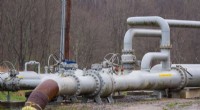
4. Oil and Gas Extraction: Offshore drilling and transportation of oil and gas can lead to oil spills, which are devastating to marine ecosystems. Oil spills can coat the surface of the water, preventing oxygen exchange, and can contaminate the water column and seafloor.
5. Urban Runoff: Storm water runoff from cities and towns can carry pollutants such as sediment, nutrients, heavy metals, and toxic chemicals into water bodies. This is especially a problem in areas with inadequate stormwater management systems.
6. Deforestation: The removal of trees and vegetation near water bodies can increase erosion and sedimentation, which can pollute water sources. Deforestation can also reduce the natural filtering capacity of forests, allowing more pollutants to reach waterways.
7. Marine Litter: Plastic waste and other marine litter can accumulate in oceans, seas, and coastal areas, posing a threat to marine life. Marine litter can entangle animals, block their digestive systems, and leach harmful chemicals into the water.
8. Wastewater Treatment Plants: While wastewater treatment plants are designed to remove pollutants from sewage, they can become overloaded or malfunction, resulting in the release of untreated or partially treated wastewater into the environment.
9. Acid Rain: Acid rain caused by the emission of sulfur dioxide and nitrogen oxides from power plants and industrial activities can acidify water bodies, harming aquatic life and disrupting the natural pH balance of the water.
10. Climate Change: Climate change can exacerbate water pollution by increasing the frequency and intensity of storms and flooding, leading to increased runoff and erosion. It can also alter the water temperature, affecting the survival and reproduction of aquatic organisms.