1. Sulfur Content in Fossil Fuels:
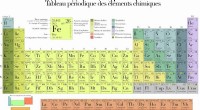
- Fossil fuels like coal and oil naturally contain sulfur compounds, such as iron pyrite (FeS₂) and organic sulfur compounds.
2. Combustion Process:
- When fossil fuels are burned in power plants, industrial facilities, or vehicles, the sulfur compounds present in the fuel undergo chemical reactions with oxygen.
3. Formation of Sulfur Dioxide:
- During combustion, the sulfur compounds are oxidized, primarily to sulfur dioxide (SO₂). This process can be represented by the following chemical equation:
```
FeS₂(s) + 3O₂(g) → Fe₂O₃(s) + 2SO₂(g)
```
4. Release into the Atmosphere:
- The formed sulfur dioxide gas is released into the atmosphere along with other combustion products, such as carbon dioxide (CO₂) and nitrogen oxides (NOx).
5. Atmospheric Reactions:
- Once released into the atmosphere, SO₂ can undergo further chemical reactions with other substances, contributing to the formation of acid rain, particulate matter, and smog.
It's important to note that the amount of sulfur dioxide produced during fossil fuel combustion depends on the sulfur content of the fuel and the efficiency of pollution control technologies employed. Many countries have implemented regulations and standards to limit SO₂ emissions, leading to a reduction in sulfur dioxide levels in the atmosphere.