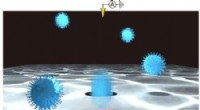
1. Disinfection: Chlorine is an excellent disinfectant that effectively kills bacteria, viruses, and other microorganisms that can cause waterborne diseases such as cholera, typhoid, and dysentery. It works by disrupting the cellular structure and metabolism of harmful microorganisms, thereby eliminating them from the water supply.
2. Residual Effect: Unlike some other disinfectants, chlorine maintains a residual presence in the water after the initial treatment process. This residual chlorine acts as a continuous disinfectant, providing ongoing protection against microbial growth and contamination throughout the water distribution system.
3. Cost-Effectiveness: Chlorine is relatively inexpensive compared to alternative disinfectants. It is abundantly available and can be easily applied and controlled during the water treatment process, making it a cost-efficient choice for large-scale water treatment facilities.
4. Ease of Use: Chlorine is relatively easy to handle and apply in water treatment plants. It can be easily dissolved in water and accurately monitored to maintain appropriate chlorine levels. The technology and infrastructure for chlorination are well-established and widely accessible.
5. Oxidation: In addition to disinfection, chlorine acts as an oxidizing agent. It can remove organic impurities, taste, and odor-causing compounds, improving the overall quality and aesthetics of the treated water.
6. Algae and Biofilm Control: Chlorine helps control algae and biofilm growth within water distribution systems. By preventing the accumulation of these microorganisms, chlorine reduces the risk of clogging, corrosion, and contamination in pipes and reservoirs.
7. Regulatory Compliance: Chlorine disinfection is widely accepted and often required by regulatory standards for drinking water quality in many countries. Its use ensures compliance with regulatory guidelines and helps protect public health.
It's important to note that while chlorine is effective in disinfecting water, it may react with organic matter to form disinfection byproducts (DBPs). Some DBPs have been linked to potential health effects, and their levels are closely monitored and regulated to minimize any risks to consumers.