Compounds can have three types of charges:
1. Neutral Compounds: In a neutral compound, the total positive charge from the protons in the nuclei is equal to the total negative charge from the electrons. The electronegativities of the constituent atoms are balanced, and there is no net charge on the compound. For example, methane (CH₄) is a neutral compound.
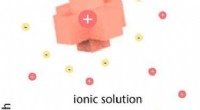
2. Positively Charged Compounds (Cations): When a compound loses one or more electrons, it becomes positively charged and is known as a cation. This occurs when the electronegativity of the other atoms in the compound is greater than the electronegativity of the atom that loses electrons. For example, sodium chloride (NaCl) forms when sodium loses an electron to chlorine, resulting in positively charged sodium ions (Na⁺) and negatively charged chloride ions (Cl⁻).
3. Negatively Charged Compounds (Anions): When a compound gains one or more electrons, it becomes negatively charged and is known as an anion. This occurs when the electronegativity of the atom gaining electrons is greater than the electronegativity of the other atoms in the compound. For example, hydroxide ions (OH⁻) are formed when oxygen gains an electron from hydrogen, resulting in a negatively charged hydroxide ion and a positively charged hydrogen ion (H⁺).
In summary, the type of charge a compound has is determined by the electronegativities of its constituent atoms and the resulting distribution of electrons. Neutral compounds have no net charge, cations are positively charged due to electron loss, and anions are negatively charged due to electron gain.