1. Color Change: Universal indicator solution is a mixture of several indicators that change color depending on the pH of the solution. When added to the water that has been in contact with potassium, the universal indicator will experience a dramatic color change. This is because the KOH produced during the reaction is a strong base and will increase the pH of the water to a high alkaline level. The universal indicator will turn a dark blue or purple color, indicating a strongly basic solution.
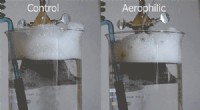
2. Effervescence: As mentioned earlier, the reaction between potassium and water produces hydrogen gas. If you add universal indicator solution to the water immediately after the reaction, you may observe effervescence or the formation of bubbles. This is due to the presence of dissolved hydrogen gas in the water. As the solution cools down, the solubility of hydrogen gas decreases, causing it to come out of the solution in the form of bubbles.
3. Caution: It is important to approach this experiment with caution. The reaction between potassium and water is highly exothermic and can cause splattering of hot liquid. Proper safety precautions should be taken, such as wearing protective clothing and eyewear. Additionally, the hydrogen gas produced is flammable, so it is crucial to conduct the experiment in a well-ventilated area away from any sources of ignition.