Here's a closer look at the chemical processes involved:
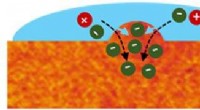
1. Oxidation: Iron undergoes oxidation, which is the loss of electrons. When iron comes into contact with oxygen in the presence of water, the iron atoms release electrons to oxygen atoms. This process results in the formation of positively charged iron ions (Fe2+).
2. Formation of Hydroxide Ions: Water molecules dissociate into hydrogen (H+) and hydroxide (OH-) ions in the presence of oxygen. These hydroxide ions combine with iron ions to form iron hydroxide (Fe(OH)2), which is a greenish-brown precipitate.
3. Further Oxidation: The iron hydroxide (Fe(OH)2) formed in the previous step undergoes further oxidation to form iron(III) hydroxide (Fe(OH)3). This involves the loss of more electrons from the iron ions to the oxygen atoms.
4. Formation of Rust: Iron(III) hydroxide then reacts with oxygen and water to form hydrated iron(III) oxide (Fe2O3·xH2O), commonly known as rust. Rust has a characteristic reddish-brown color and is a stable, insoluble compound.
In summary, the change from iron to rust involves the transfer of electrons between iron and oxygen, resulting in the formation of new compounds with different properties. This process of chemical change is driven by the release of energy and the formation of more stable chemical bonds in the product (rust) compared to the starting material (iron).