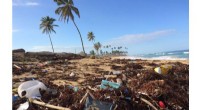
- Littering: Trash and other debris that is improperly disposed of on land can easily find its way into waterways and eventually into the ocean.
- Industrial waste: Many industrial processes generate hazardous waste that can be harmful to marine life if not properly disposed of.
- Agricultural runoff: Fertilizers and pesticides used in farming can contaminate waterways and contribute to nutrient pollution.
- Sewage: Untreated sewage can contain harmful bacteria and viruses that can contaminate water supplies and make them unsafe for swimming or fishing.
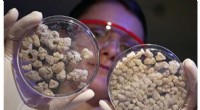
- Microplastics: These tiny pieces of plastic can come from a variety of sources, such as cosmetic products, synthetic fabrics, and industrial processes. They can be harmful to marine life if ingested.
Other sources of ocean pollution include:
- Shipping: Ships can release oil, chemicals, and other pollutants into the ocean through bilge water, ballast water, and exhaust fumes.
- Fishing: Fishing nets can entangle and kill marine life, and discarded fishing gear can become marine debris.
- Offshore oil drilling: Oil spills and other accidents can release pollutants into the ocean, harming marine life and damaging marine habitats.