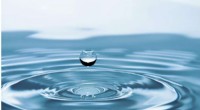
Gases and liquids are poor conductors of heat. When heat is applied to a pot of water, the water at the bottom of the pot is heated first. This causes the water molecules at the bottom of the pot to move faster and collide with each other more frequently. This increased molecular motion is what we experience as heat. The water molecules at the bottom of the pot then transfer their energy to the water molecules above them, and so on, until the entire pot of water is heated.
In gases and liquids, heat is transferred primarily by convection. Convection is the transfer of heat by the movement of a fluid. When heat is applied to a gas or liquid, the fluid molecules near the heat source are heated and become less dense. This causes them to rise, and cooler fluid molecules from the surrounding area move in to replace them. This process continues until the entire fluid is heated.