Properties of Plasma:
1. Electrical Conductivity: Plasma is an excellent conductor of electricity and can carry large amounts of electrical currents. This property is vital in various applications like plasma displays, plasma torches, and semiconductor processing.
2. High Temperature: Plasma exists at extremely high temperatures, usually measured in thousands or millions of degrees Celsius. This high temperature causes electrons to be stripped from their parent atoms, resulting in the formation of positively charged ions and negatively charged free electrons.
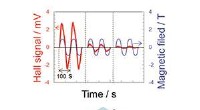
3. Magnetic Confinement: Plasma is often generated and controlled using magnetic fields. By creating magnetic fields, scientists can confine and shape plasma, allowing for controlled fusion reactions or plasma-based experiments.
4. Radiation: Plasma emits electromagnetic radiation, including visible light, ultraviolet rays, and X-rays. This radiation is commonly observed in phenomena such as the sun's corona, auroras, and fluorescent lights.
5. Low Viscosity: Plasma has extremely low viscosity, which allows for easy movement and rapid changes in form. This property is essential in applications like plasma propulsion systems for spacecraft.
6. Quasineutrality: While plasma contains charged particles, it is considered quasi-neutral overall, meaning the net charge of a large volume of plasma is close to zero. This balance of positive and negative charges ensures stability.
Examples of Plasma:
- Stars: The sun and other stars are examples of natural plasmas. They sustain nuclear fusion reactions in their cores, generating enormous amounts of energy and creating high temperatures that ionize their gases.
- Aurora Borealis: When charged particles from solar wind interact with the Earth's magnetic field, it results in the formation of Aurora Borealis, also known as the Northern Lights.
- Lightning: During thunderstorms, electrical discharges between clouds or the ground generate plasma channels known as lightning.
- Fluorescent Lights: Fluorescent lamps produce plasma when an electrical current passes through a low-pressure gas, emitting ultraviolet radiation that excites the phosphor coating, thus generating visible light.
- Plasma Torches: In manufacturing and material processing, plasma torches use high-temperature plasma jets to cut, weld, or melt various materials.
Plasma plays a crucial role in various scientific and technological fields. It is crucial in understanding astrophysical phenomena, developing fusion energy technologies, and advancing material processing techniques. Furthermore, plasma-based applications have found their way into diverse areas, including lighting, electronics, and propulsion systems.